
Current world market for used products
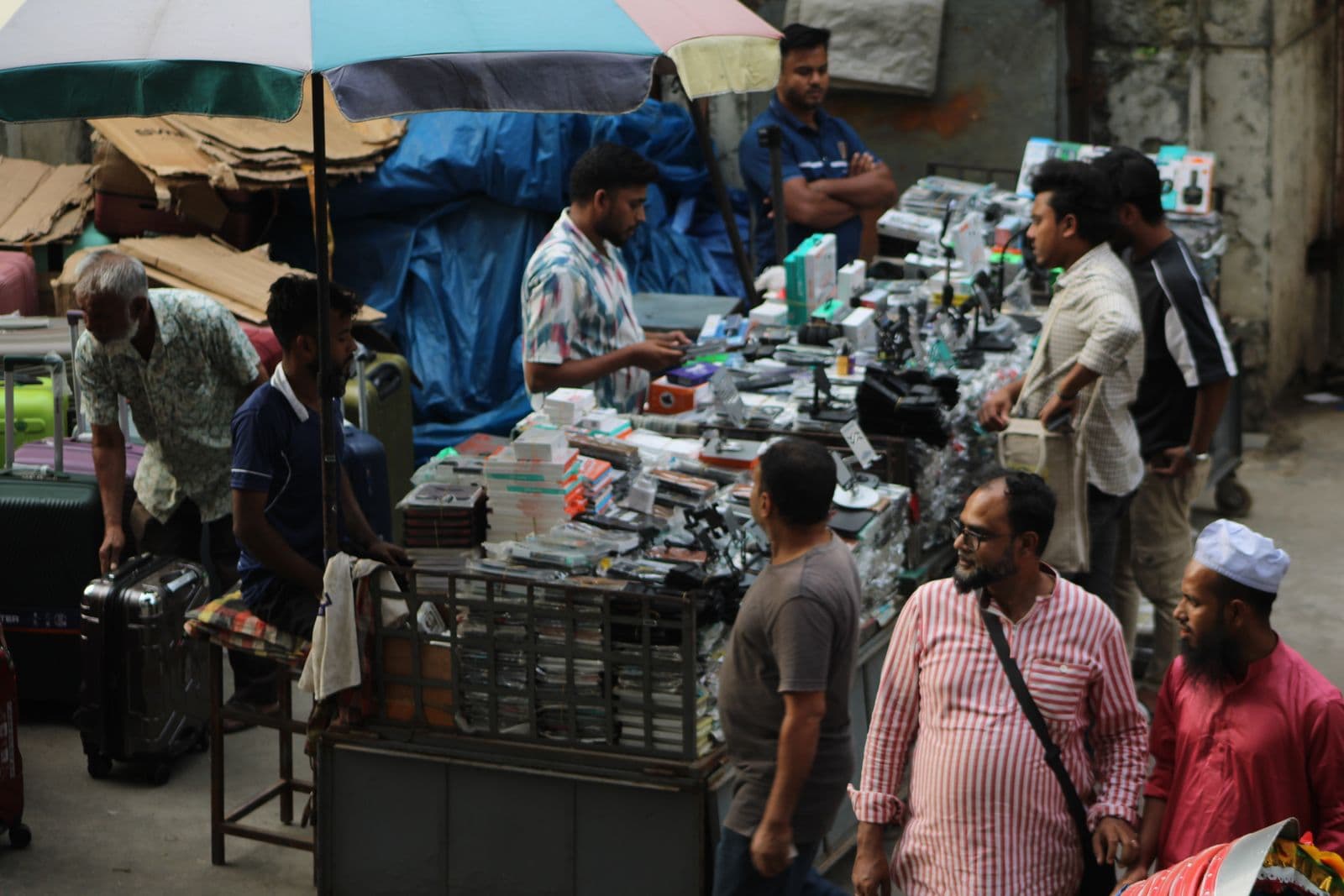
Buying used is no longer something people do only when money is tight. A second hand phone can be the sensible phone. A used chair may be better made than a new one at the same price. A twenty-year-old camera can become popular again because someone on social media made it look fun.
The world market for used products is busy, but it is hard to squeeze into one neat number. Cars, phones, clothes, furniture, books, tools, and collectibles all move through different markets. Some are sold by large refurbishers with warranties. Some change hands through a message between two people living a few streets apart.
Used shopping has become normal
One useful snapshot comes from eBay's 2025 Recommerce Report. Its survey covered about 16,000 consumers across nine countries. Eighty-nine percent said they expected to spend the same or more on pre-owned goods, while 81 percent named saving money as a reason for buying used.
This is eBay's own research, so it naturally looks at the market through eBay's customers. Still, the scale is hard to ignore. The company says pre-owned and refurbished goods have made up more than 40 percent of its total sales value since 2024. Used products are not sitting in a forgotten corner of online shopping anymore.
Phones show where the market is going
Smartphones are one of the clearest examples because they are expensive, easy to resell, and replaced long before they stop working. The GSMA Mobile Net Zero 2025 report says new smartphone sales fell 15 percent between 2021 and 2023, while sales of used and refurbished phones rose 15 percent. Nearly half of the consumers in its survey said they would consider a refurbished phone next time.
That does not mean people have stopped wanting new phones. It means there is now a proper middle ground between buying the latest model and keeping a broken device. Trade-in programmes, repair shops, certified refurbishers, and person-to-person marketplaces all take part in that middle ground.
Clothes, furniture, and collectibles behave differently
Used fashion is driven by price, but style matters just as much. A jacket from an older collection may be more interesting than anything in a current shop. Furniture is much more local because delivery is expensive. Collectibles can travel across the world if the buyer wants one exact card, watch, record, or camera.
This is why there may never be one marketplace that handles every used product equally well. Global platforms are good at rare items and standardised shipping. Local platforms are better when a buyer needs to inspect a laptop, collect a table, or meet a motorbike seller in person.
Repair is becoming part of the buying decision
A product holds more second hand value when spare parts are available and repair is realistic. Governments are starting to pay attention to this. The European Union's right to repair rules entered into force in July 2024. They give consumers stronger options to request repairs for products such as phones, washing machines, and vacuum cleaners when those products are covered by EU repair requirements.
Repair rules do not instantly create a healthy resale market, but they can help products stay useful for longer. A phone with replaceable parts is easier to trust than one that becomes waste after a small failure. The same is true for appliances, bicycles, and tools.
The biggest problem is still trust
Used goods do not come out of identical boxes. Two phones with the same model name can have completely different battery health, repair history, and physical condition. Buyers worry about hidden faults or stolen products. Sellers worry about fake payments, endless bargaining, and strangers who never arrive.
Marketplaces are responding with seller ratings, identity checks, protected payments, inspection services, and clearer condition labels. None of these systems is perfect. Good photos, honest descriptions, product records, and a sensible inspection still do most of the work.
What this means for Bangladesh
Bangladesh already has a strong culture of repairing and passing products on. Phones are repaired, furniture is rebuilt, and vehicles remain useful through several owners. Much of this trade still happens through local shops, personal contacts, and social media groups. Online marketplaces can make it easier to find the right buyer outside that small circle.
The opportunity is not simply to put more listings online. The better opportunity is to make condition, price, location, and communication clearer. That is especially useful for people buying their first laptop, replacing a phone on a limited budget, or selling an appliance before moving home.
Where the market goes next
The used market will probably become less separate from ordinary retail. More new-product shops will offer trade-ins. More used products will come with short warranties or inspection reports. Local person-to-person selling will remain important because many products are too cheap, too large, or too specific for an international reseller.
The basic reason people buy used has not changed. They want a useful product at a price that makes sense. Better search, clearer listings, and safer conversations simply make that old habit easier to carry online. You can see what people near you are selling by browsing BeforeSell.